Last updated 2026-07-25
TL;DR
Michigan licenses group homes for adults through LARA's Adult Foster Care (AFC) program or Homes for the Aged (HFA) rules, depending on resident needs and building size. You'll file a license application, pass a fire/health inspection, submit staffing and policy plans, and pay a licensing fee set by LARA. Most small AFC homes (1-6 beds) take a few months to open if paperwork and inspections go smoothly.
What is a group home, exactly?
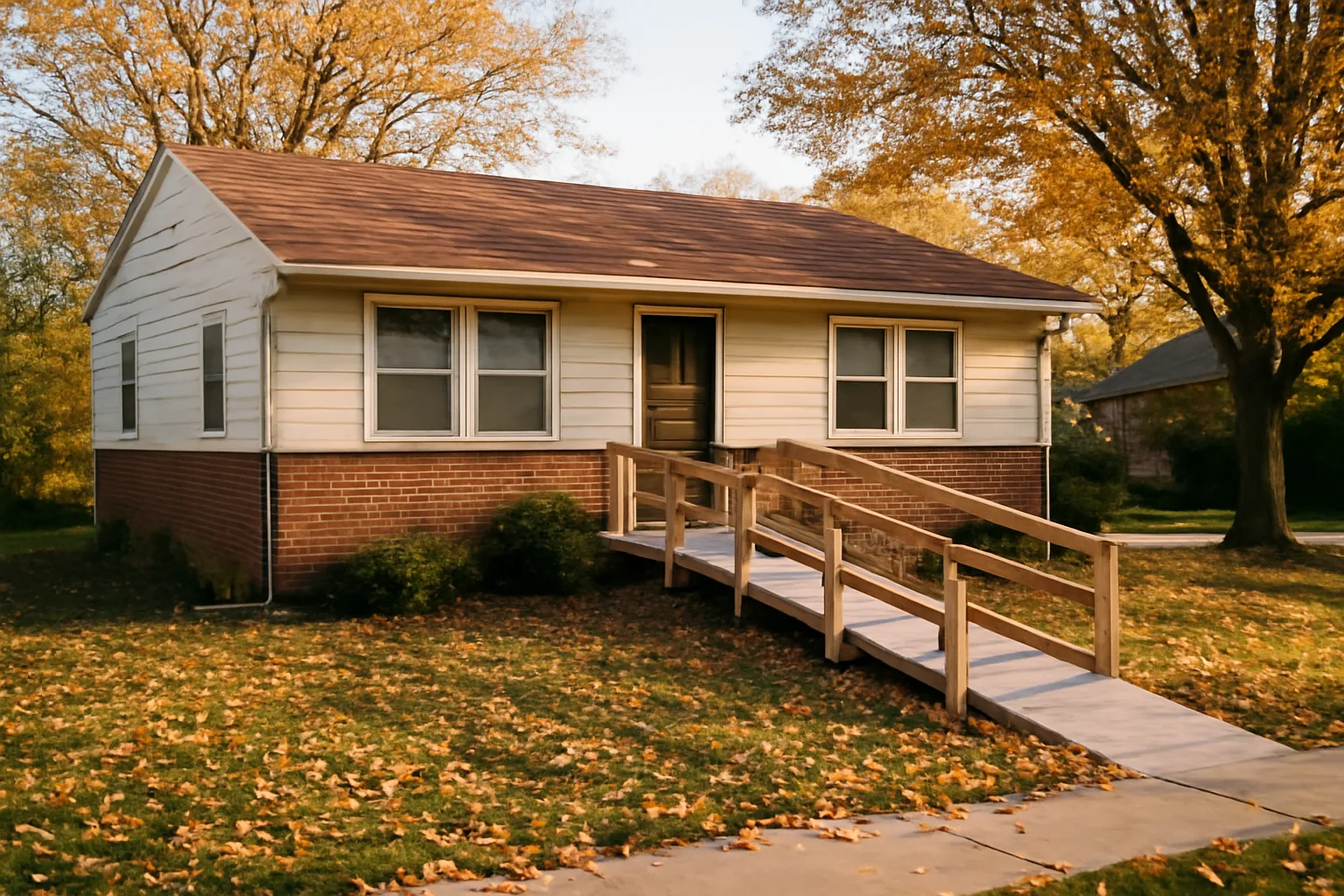
A group home is a licensed residential setting where a small number of people who can't live fully independently, because of age, disability, mental illness, or a substance use disorder, live together and get help with daily activities like bathing, medication, meals, and supervision. It's not a hospital and it's not a nursing home. It's a home, usually a single-family house or small multi-unit building, staffed around the clock or during defined hours depending on resident needs. In Michigan, the state doesn't use one single license called "group home." Instead, LARA (the Department of Licensing and Regulatory Affairs) licenses these homes under a few different categories depending on who lives there and what kind of care they need. The two you'll run into most often are Adult Foster Care (AFC) facilities and Homes for the Aged (HFA). AFC covers adults with developmental disabilities, mental illness, or physical limitations who need supervision, personal care, and protection. HFA covers larger congregate care settings for people 55 and older that provide organized meal service and 24-hour personal care [1]. If you're comparing this topic across states, the framework in Michigan is a lot like assisted living facility licensing elsewhere, just organized under different names and statutes.
What is assisted living, and how is it different from a group home?
"Assisted living" is a marketing and industry term more than a legal one in most states, including Michigan. Michigan's actual license categories are AFC and HFA, not "assisted living facility" as a distinct license type. When people search "assisted living" in Michigan, they're usually looking for a home licensed under HFA or a larger AFC facility that markets itself using that phrase because it sounds more appealing to families than "adult foster care." Functionally, assisted living means help with activities of daily living (dressing, bathing, medication reminders, mobility) plus meals and some social supervision, delivered in a home-like or apartment-like setting rather than a hospital-like one. It sits between fully independent living and a nursing home. A group home is usually smaller. Michigan's small AFC group homes cap out around 6 residents in many cases, with larger AFC facilities and HFA homes licensed for more [1]. "Assisted living" as a term gets applied loosely to both small AFC homes and much larger HFA congregate settings. If you're building a marketing site or comparing options, understand that regulators care about the license category, not the branding. A family searching "assisted living facilities" near them will land on a mix of AFC and HFA licensed homes without realizing the legal distinction.
What is an assisted living facility vs. a nursing home?
| Staffing | Direct care staff, not necessarily nurses on-site 24/7 | Licensed nurses on-site around the clock | |
|---|---|---|---|
| Medical care level | Personal care, medication assistance | Skilled nursing, wound care, IV therapy, rehab | |
| Setting | Home-like, small resident count in AFC | Larger, more clinical, hospital-adjacent feel | |
| Regulator | LARA Bureau of Community and Health Systems | LARA, under separate nursing home licensing rules | |
| Typical resident | Needs help with ADLs, stable medically | Needs ongoing medical management or rehab | A lot of families end up choosing based on how much medical supervision their loved one actually needs, not on price alone, because the wrong level of care is dangerous either way. If someone's health declines while living in an AFC home, the operator may be required to help arrange a transfer to a facility with a higher level of licensed care. |
An assisted living facility (again, using the term loosely since Michigan doesn't license under that exact name) provides help with daily living tasks, but residents are generally more independent, don't need constant skilled nursing care, and aren't bedridden or medically unstable. A nursing home (called a skilled nursing facility, licensed separately by LARA under different rules) provides 24-hour skilled nursing care, rehabilitation services, and is built for people who need medical monitoring, wound care, IV therapy, or post-hospital recovery. The practical differences: | Feature | Group home / assisted living (AFC or HFA) | Nursing home (skilled nursing facility) |
What does assisted living provide day to day?
Day to day, a licensed group home or assisted living setting in Michigan generally provides: supervised or assisted personal care (bathing, grooming, dressing), medication administration or reminders, three meals a day plus snacks, housekeeping and laundry, transportation to appointments (sometimes arranged, not always included), social and recreational activities, and 24-hour staff presence or on-call supervision depending on license type and resident needs. AFC licensing rules require homes to meet specific standards for staffing ratios, resident rights, physical plant safety, and record-keeping, all spelled out in Michigan's Adult Foster Care Facility Licensing Act, Act 218 of 1979 [2]. What a home actually provides beyond the minimum depends heavily on the operator's program statement, which is a required planning document filed with LARA describing exactly what services, populations, and daily structure the home will offer [1]. If you're drafting a program statement, don't just copy language from another state's template. Michigan reviewers check the program statement against the physical building, staffing plan, and license category you're applying for, and mismatches are one of the more common reasons applications get sent back for revision.
How do I start a group home in Michigan? (step by step)
Starting a group home in Michigan means working through LARA's Bureau of Community and Health Systems, which oversees AFC and HFA licensing [1]. The process is not instant, and skipping steps to save time almost always costs more time later when LARA kicks the application back. Here's the general sequence, though you should confirm current specifics with your state licensing agency since fee amounts and form versions change: 1. Decide your license category. Adult Foster Care (small group home, large group home, family home, or congregate facility) or Homes for the Aged, based on who you intend to serve and building size [1]. 2. Check zoning first. Before you sign a lease or buy property, confirm the local zoning ordinance allows a group home use in that location. Michigan's Adult Foster Care Facility Licensing Act includes provisions treating certain small AFC homes (6 or fewer residents) as a permitted residential use under state law, which limits how much local zoning can block them, but you still need to verify this with your municipality and don't assume it overrides every local requirement [2]. 3. Prepare your program statement. This document lays out the population served, services provided, staffing plan, and admission/discharge policies. 4. Submit your license application to LARA along with required attachments: floor plans, fire safety inspection approval, health department approval (for food service if applicable), staffing plan, and policies and procedures manual. 5. Pass required inspections. Fire safety, building/zoning compliance, and a licensing survey from LARA staff before a license is issued. 6. Pay licensing fees. Confirm current fee schedules directly with LARA since these are set by administrative rule and can change. 7. Hire and train staff to meet Michigan's required training hours and background check standards before residents move in. 8. Get your license and open. LARA issues the license once all requirements are verified, and you can then begin accepting residents up to your licensed capacity. If you want a structured way to track every document and deadline in this process instead of rebuilding checklists from scratch, the GroupHomePath State Group Home Licensing Kit is a $299 one-time resource built around exactly this kind of state-specific paperwork sequence. It doesn't replace your state's application or guarantee approval, nobody can promise that, but it does organize the moving pieces so you're not guessing what LARA wants to see.
How do I start a group home if I'm targeting people with disabilities or mental illness specifically?
If your target population is adults with developmental disabilities or mental illness rather than seniors, you're almost certainly looking at AFC licensing rather than HFA. Michigan's AFC rules explicitly cover adults who need supervision and personal care because of age, physical disability, developmental disability, or mental illness [2]. The application process is the same LARA pathway described above, but your program statement and staffing plan need to reflect the specific population. For example, homes serving people with significant behavioral health needs typically need staff trained in de-escalation and crisis response, and LARA reviewers will look for that training documented in your policies. If you plan to bill Medicaid for services (through Michigan's Habilitation Supports Waiver or similar programs administered through the state's behavioral health system), you'll also need separate provider enrollment on top of your AFC license, which is a distinct process from licensing itself. This is also where local zoning fights happen most often. Group homes for people with disabilities are protected under the federal Fair Housing Act, which prohibits municipalities from treating a home for people with disabilities differently than an ordinary single-family residence solely because of the residents' disability status [3]. That protection doesn't mean zoning boards never push back, it means they have a legal ceiling on how they can push back, and you should document any discriminatory treatment carefully if it happens.
Does Medicare cover assisted living facilities or group homes?
No. Medicare does not cover the cost of room and board in an assisted living facility, group home, or Home for the Aged. Medicare.gov states plainly that Medicare "doesn't cover long-term care (also called custodial care)" if that's the only kind of care needed, and long-term care includes help with daily activities like bathing, dressing, and eating [4]. Medicare will still cover medically necessary services a resident receives, like doctor visits, physical therapy after a hospital stay, or short-term skilled nursing care following a qualifying hospitalization, but it will not pay the monthly cost of living in the group home itself. Medicaid is a different story and is the main public funding source for many residents in licensed group homes, especially those in AFC settings tied to a Medicaid waiver program. CMS confirms that home and community-based services waivers allow states to cover services (not necessarily room and board) for people who would otherwise need institutional care [5]. In Michigan, this runs through the state's Medicaid Home and Community-Based Services waivers, and coverage of room and board specifically is limited and handled differently from service coverage, so operators need to understand exactly what's billable and what isn't before assuming Medicaid will cover a resident's full monthly cost.
What staffing does Michigan require in a licensed group home?
Staffing requirements in Michigan depend on your license category, resident count, and the acuity of residents you serve, and they're spelled out in the administrative rules tied to the Adult Foster Care Facility Licensing Act [2]. At minimum, you need enough awake staff to meet supervision requirements around the clock in most AFC homes, plus a designated staff person responsible for medication administration if residents can't self-administer. LARA requires criminal background checks for staff and caregivers in licensed AFC and HFA settings before they have unsupervised contact with residents. You'll also need documentation of required training hours, which cover topics like first aid, CPR, resident rights, abuse and neglect reporting, and fire safety procedures specific to your facility. Don't treat staffing plans as paperwork theater. Inspectors check actual staff schedules against your stated ratios during licensing surveys and follow-up inspections, and a mismatch between what you wrote in your application and what's actually staffed on a random Tuesday is one of the fastest ways to get a citation.
What does the zoning process look like for a group home in Michigan?
Zoning is where a lot of otherwise-solid group home plans die, usually because the operator found a great house first and asked about zoning second. Do it backward and you save yourself months. Michigan's Adult Foster Care Facility Licensing Act includes a provision treating state-licensed AFC facilities serving 6 or fewer residents as a permitted use in residential zones for licensing purposes, similar to protections found in many states for small group homes [2]. This doesn't mean every township treats it that way automatically, and it doesn't cover every larger facility size, so you need to check with both LARA and your local zoning or planning department before signing a lease. Beyond the state provision, the federal Fair Housing Act adds another layer of protection specifically for group homes serving people with disabilities, prohibiting zoning rules that single out these homes for extra scrutiny that doesn't apply to other residential uses [3]. If a municipality tries to require a special use permit, extra parking, or a public hearing specifically because your home serves people with disabilities, that can raise a fair housing issue worth flagging to an attorney. For readers researching this topic across different states, our assisted living at home guide covers how zoning treatment can vary sharply depending on whether a state law preempts local zoning for small homes.
What happens during a Michigan group home inspection?
Before your license is issued, LARA conducts an on-site licensing survey to confirm the building, staffing, and paperwork match what you submitted. After licensing, homes get periodic inspections, plus complaint-driven inspections if someone reports a concern. Inspectors typically check: physical plant safety (fire exits, smoke detectors, sprinkler systems where required), medication storage and administration records, staff training and background check files, resident care plans and program statement compliance, resident rights postings, and general cleanliness and maintenance. Fire safety approval usually comes from the local fire marshal or state fire inspector before LARA will issue the license, and it's a separate sign-off from the LARA licensing survey itself. Building this into your timeline early avoids a scramble later, since fire inspection scheduling can add weeks depending on your local jurisdiction's workload. If a home fails an inspection or gets cited for a violation, LARA typically issues a corrective action plan with a deadline rather than immediately pulling the license, except in cases involving immediate danger to residents. Repeated or serious violations can lead to license revocation, so treat every citation as something to fix completely, more than paper over.
How much does it cost and how long does it take to get licensed?
Michigan sets specific licensing fees through LARA administrative rule, and these change periodically, so confirm the current fee schedule directly with LARA's Bureau of Community and Health Systems before budgeting [1]. Beyond the state fee itself, real startup costs include property (purchase or lease), renovations to meet fire and accessibility code, furnishings, staff hiring and training, liability insurance, and working capital to cover the gap between opening and your first residents moving in. Timeline varies a lot based on whether you're using an existing residential building versus new construction, how quickly your local fire marshal can schedule an inspection, and whether your application is complete on the first submission. A straightforward small AFC home in an existing house, with a complete application and no zoning fights, can realistically take a few months from application to opening. A larger HFA facility or new construction project can take considerably longer, sometimes a year or more, once you factor in construction timelines and multiple layers of building code review. The single biggest thing that speeds this up isn't luck, it's submitting a complete, internally consistent application the first time. Reviewers send applications back for missing attachments, mismatched staffing numbers, or incomplete program statements constantly, and each round trip adds weeks.
Frequently asked questions
What is assisted living?
Assisted living is care and housing for adults who need help with daily activities like bathing, dressing, and medication but don't need full-time skilled nursing care. In Michigan, this care is typically delivered through state-licensed Adult Foster Care or Homes for the Aged facilities rather than under a license literally called "assisted living."
What is a group home?
A group home is a small residential facility, usually a house, where a limited number of people who need supervision or personal care live together with staff support. In Michigan, group homes serving adults are licensed as Adult Foster Care facilities under the Adult Foster Care Facility Licensing Act.
What is an assisted living facility?
An assisted living facility provides housing plus help with daily living tasks like bathing, medication, and meals for people who don't need full skilled nursing care. Michigan doesn't use this exact license title; equivalent facilities are licensed as Adult Foster Care homes or Homes for the Aged, depending on size and population served.
What is the difference between assisted living and a nursing home?
Assisted living (AFC or HFA in Michigan) provides personal care and supervision for people who are relatively stable medically. A nursing home provides 24-hour skilled nursing care, rehabilitation, and medical monitoring for people who need ongoing clinical care. Nursing homes are licensed separately from AFC and HFA facilities.
Does Medicare cover assisted living facilities?
No. Medicare does not cover room, board, or custodial care in assisted living, group homes, or Homes for the Aged. Medicare.gov confirms it excludes long-term custodial care when that's the only care needed, though it still covers medically necessary services like doctor visits and short-term skilled care after a qualifying hospital stay.
How do I start a group home in Michigan?
Decide your license category (AFC or HFA), confirm zoning allows the use at your chosen location, write a program statement, submit a license application to LARA with floor plans and staffing plans, pass fire and health inspections, hire trained and background-checked staff, and receive your license before accepting residents. Confirm current forms and fees with LARA directly.
What license do I need to open a group home for adults with mental illness in Michigan?
Adult Foster Care (AFC) licensing covers adults with mental illness, developmental disabilities, or physical limitations who need supervision and personal care. You'll apply through LARA's Bureau of Community and Health Systems, and your program statement needs to specifically describe services for that population, including staff training in crisis response if applicable.
Does Michigan zoning law protect small group homes from local restrictions?
Michigan's Adult Foster Care Facility Licensing Act includes a provision treating state-licensed AFC homes with 6 or fewer residents as a permitted residential use for licensing purposes in many cases. The federal Fair Housing Act separately prohibits zoning rules that single out group homes for people with disabilities. Always confirm current treatment with your local zoning office.
How much does it cost to license a group home in Michigan?
Licensing fees are set by LARA administrative rule and change periodically, so confirm the current fee schedule directly with LARA's Bureau of Community and Health Systems. Total startup cost also includes property, renovations, staffing, insurance, and working capital, which typically run far higher than the licensing fee itself.
How long does it take to get a group home license in Michigan?
A straightforward small Adult Foster Care home in an existing residential building, with a complete application and no zoning delays, can take a few months from application to opening. Larger facilities or new construction can take a year or more once construction timelines and multiple inspection layers are factored in.
What staffing does a Michigan group home need?
Staffing requirements depend on license category and resident acuity but generally require awake staff coverage sufficient for resident supervision, a designated person responsible for medication administration, completed background checks for all direct care staff, and documented training in first aid, CPR, resident rights, and abuse reporting.
Can Medicaid pay for a group home in Michigan?
Medicaid can cover many services provided in licensed group homes, often through home and community-based services waivers, but room and board coverage is limited and handled separately from service coverage under CMS rules. Operators need to confirm exactly what's billable through Michigan's specific waiver programs before assuming full cost coverage.
What is the difference between Adult Foster Care and Homes for the Aged in Michigan?
Adult Foster Care (AFC) licenses cover adults needing supervision due to age, disability, or mental illness, typically in smaller settings. Homes for the Aged (HFA) licenses cover larger congregate facilities specifically for people 55 and older that provide organized meal service and 24-hour personal care. Both are licensed through LARA but under different rule sets.
Sources
- Michigan LARA, Bureau of Community and Health Systems: LARA licenses Adult Foster Care and Homes for the Aged facilities, with AFC covering supervision and personal care and HFA covering congregate care for people 55+
- Michigan Legislature, Adult Foster Care Facility Licensing Act, Act 218 of 1979 (MCL 400.701 et seq.): Adult Foster Care Facility Licensing Act governs staffing, resident rights, and zoning treatment of small AFC homes with 6 or fewer residents
- U.S. Department of Justice, Fair Housing Act protections: Federal Fair Housing Act prohibits zoning rules that discriminate against group homes for people with disabilities
- Medicare.gov, Long-term care coverage: Medicare does not cover long-term custodial care such as assisted living or group home room and board
- CMS, Home and Community-Based Services 1915(c) waivers: Medicaid HCBS waivers allow states to cover services for people who would otherwise need institutional care
- Michigan Legislature, MCL 400.716 (Adult Foster Care Facility Licensing Act, zoning provision): State law treats certain small AFC homes serving 6 or fewer residents as a permitted residential use for zoning purposes
- U.S. Department of Health and Human Services, Administration for Community Living, Home and Community-Based Services Settings Rule overview: Home and community-based services support people who need help with daily activities to remain in residential rather than institutional settings