Last updated 2025-07-25
TL;DR
Starting a group home requires obtaining a state residential care license, securing a property that meets zoning and safety codes, hiring trained staff, and arranging startup capital typically between $50,000 and $150,000. The process takes 3 to 9 months from application to first resident, depending on your state's licensing pathway and whether you own or lease the home.
What is a group home?
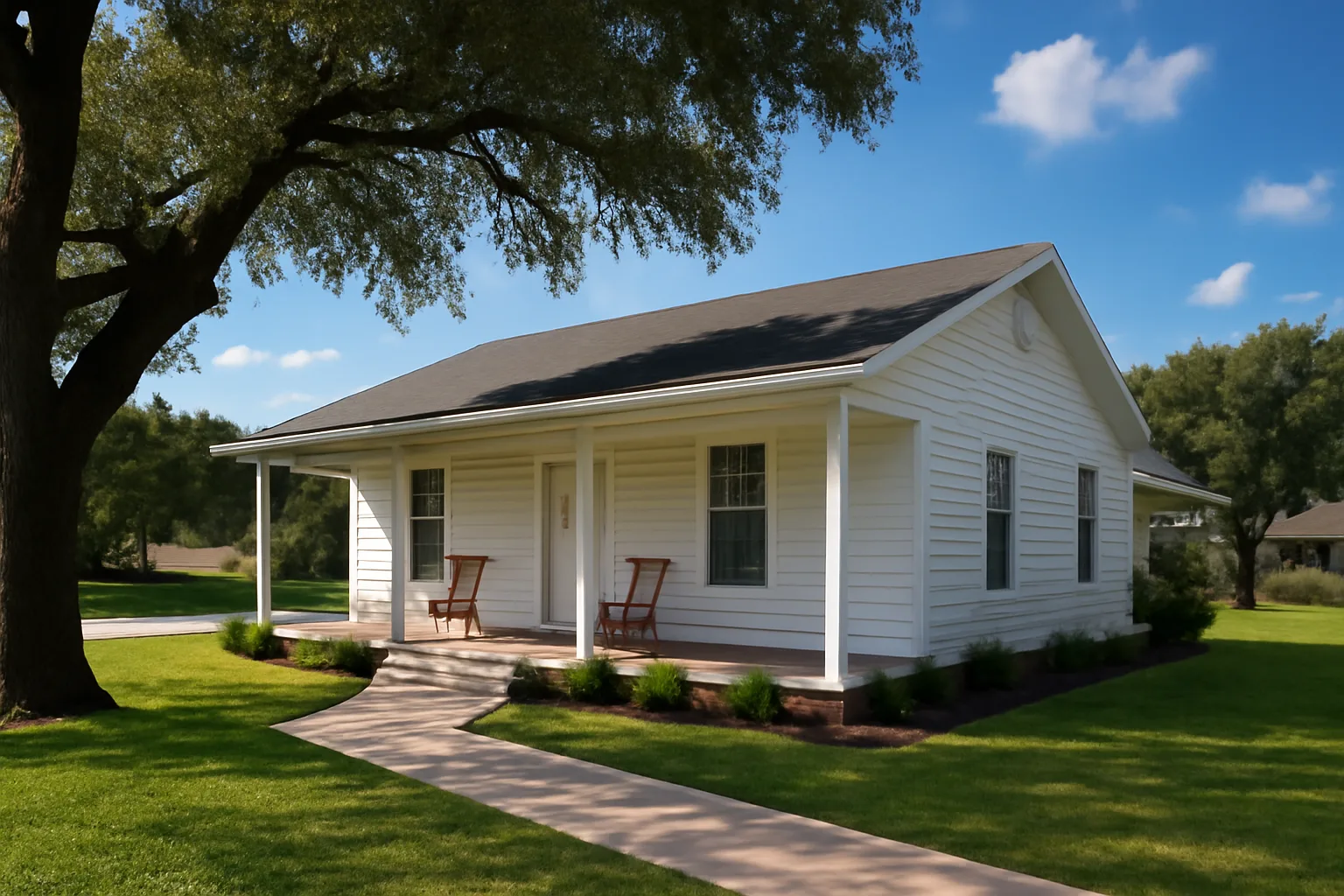
A group home is a residential care facility where four to sixteen adults live together and receive 24-hour supervision, personal care, and support services. Unlike nursing homes, which provide skilled nursing and medical care, group homes offer assistance with daily activities like bathing, medication reminders, meals, and transportation in a home-like environment. Group homes serve specific populations: adults with intellectual and developmental disabilities (IDD), mental health conditions, substance use recovery, seniors who need help but not nursing care, and sometimes people with traumatic brain injuries or physical disabilities. Each state defines the term differently. California calls most of them "residential care facilities for the elderly" (RCFE) or "adult residential facilities" (ARF). Florida uses "assisted living facility" (ALF) for most adult residential care. New York separates "adult homes" from "family care" and "individualized residential alternatives" for IDD. The business model is straightforward: residents (or their families, or state agencies) pay a monthly fee that covers room, board, care staff, and services. Monthly rates range from $2,500 to $7,000 depending on location, acuity, and funding source [1]. Most group homes rely on a mix of private pay, Supplemental Security Income (SSI) plus state top-up payments, Medicaid Home and Community-Based Services (HCBS) waivers, or state-funded developmental disability programs. Group homes are licensed and regulated at the state level. Every state has a different name, licensing agency, and set of rules. You apply to your state's health or human services department, pass background checks, meet physical plant standards, and submit policies and staffing plans for approval before you can accept the first resident.
What is assisted living and how does it differ from a group home?
Assisted living is a broad category that includes group homes, but many people use the term to mean larger facilities with private apartments, central dining, and tiered service packages. A classic assisted living facility has 20 to 100 units, each with a kitchenette and bathroom, shared common areas, and staff on-site around the clock. Group homes are smaller. Six to ten residents share a house. Common spaces are living rooms, kitchens, and bathrooms. Staff provide similar services (meals, medication management, activities, personal care) but in a homelike setting, not an apartment complex. Some states license both under the same statute and call everything "assisted living." Others separate small "residential care homes" from large "assisted living communities." The practical difference is capital intensity and regulation. A purpose-built 60-unit assisted living building costs $6 million to $15 million to develop [2]. A six-bed group home in a renovated single-family house might cost $150,000 to open. Large facilities answer to state life-safety codes that require sprinklers, fire-rated corridors, and ADA-compliant construction. Small homes often get residential-code exemptions or lighter standards if they stay below a resident threshold (commonly six or eight). If you're reading this to decide which model to pursue, the choice hinges on capital access, your target population, and local zoning. Assisted living facilities make sense if you have real-estate development experience and access to multi-million-dollar financing. Group homes are the accessible entry point: lower upfront cost, faster time to revenue, manageable staffing. Both are "assisted living" in the broad sense; licensing agencies and local ordinances determine what you're actually allowed to call your operation.
What is the difference between assisted living and a nursing home?
Nursing homes provide 24-hour skilled nursing care: registered nurses on every shift, physicians on call, wound care, IV therapy, ventilator support, and rehabilitation after hospitalization. Residents are called patients, and the setting is medical. Federal Medicare and Medicaid regulations govern nursing homes as healthcare facilities [1]. Assisted living, including group homes, offers personal care and supervision, not medical treatment. Staff help residents bathe, dress, take their pills, and get to appointments, but they don't administer injections, change sterile dressings, or manage complex medical equipment. If a resident's condition deteriorates to the point they need continuous nursing, they must transfer to a nursing home or arrange in-home hospice or private-duty nursing. The cost difference is dramatic. Nursing home care averages $8,000 to $10,000 per month nationally, and Medicare covers only short-term post-acute stays (up to 100 days after hospitalization) [3]. Long-term nursing home stays are paid by Medicaid (for those who qualify financially) or out-of-pocket. Assisted living and group homes average $3,500 to $5,500 per month, are not covered by Medicare, and may be partially covered by Medicaid HCBS waivers depending on the state [1]. Many families delay the nursing-home decision by choosing a group home first. A senior with mild dementia, stable diabetes, and mobility limits can live safely in a group home for years. The group home operator calls visiting physicians, manages appointments, and coordinates therapy. When care needs exceed what unlicensed caregivers can handle, the resident moves to skilled nursing or hospice comes to the group home.
Does Medicare cover assisted living or group homes?
No. Medicare does not pay for assisted living, group homes, or any long-term residential care that is primarily custodial rather than skilled medical treatment [1]. Medicare Part A covers hospital stays and short-term skilled nursing facility care after a qualifying hospital admission. Medicare Part B covers doctor visits and outpatient services. Neither part pays the room-and-board or supervision charges that make up the group home monthly fee. Medicaid, the joint federal-state program for low-income individuals, can cover group home services through Home and Community-Based Services (HCBS) waivers. These waivers allow states to pay for residential care as an alternative to nursing homes, but only for people who meet nursing-home level-of-care criteria and have income and assets below state thresholds [4]. Waiver reimbursement varies widely. Some states pay $2,000 per resident per month for room and board plus a per-diem care rate; others pay $4,500 all-in. Waiver programs have waiting lists in many states, especially for IDD services. Most group home operators rely on a resident mix: some private pay (family funds, long-term care insurance, or the resident's own savings), some SSI recipients with a state supplement, and some Medicaid waiver participants. A resident receiving SSI gets about $950 per month in federal benefit [5]; states add a "special needs" or "personal and incidental" supplement ranging from $500 to $1,500 specifically for board-and-care placement. The group home bills the resident directly, and the resident assigns most or all of their SSI and state supplement to cover the monthly fee.
How to start a group home: the six-step roadmap
Starting a group home breaks into six major phases. Each phase has its own timeline, budget, and documentation burden. Plan on six to twelve months from decision to first resident if you execute diligently and don't hit zoning or financing roadblocks. 1. Choose your population and understand your state's licensing category. Do you want to serve seniors (often called assisted living or residential care for the elderly), adults with IDD (developmental disabilities waiver homes), mental health recovery (community residential), or substance use recovery (sober living with licensure)? Each has a different licensing path, rate structure, referral ecosystem, and staff-training requirement. Visit your state health department's licensing division website and download the application packet for the category you're considering. Read the entire regulation. If your state publishes a licensing manual or applicant guide, read that too. This homework takes a week and costs nothing, and it will prevent six months of rework later [6]. 2. Secure a suitable property. You need a single-family house or small multi-family building that meets your state's physical plant standards: square footage per resident (often 80-120 square feet of bedroom space per person), bedroom egress (windows large enough for emergency escape), two exits per floor, fire extinguishers, smoke detectors in every bedroom and common area, and sometimes sprinklers if you exceed six residents. Zoning is the hidden killer: many municipalities restrict "commercial" group homes in residential neighborhoods or require conditional-use permits and neighbor notification. Some states have zoning-override statutes that preempt local bans for small (six or fewer) disability or senior homes; others leave you at the mercy of city council hearings. Confirm zoning before you buy or sign a lease. Budget $150,000 to $350,000 to purchase or $2,500 to $5,000 per month to lease, plus $10,000 to $40,000 in renovations to meet code. 3. Develop your policies, procedures, and operational manuals. State licensing applications require written policies for admission and discharge, medication management, incident reporting, infection control, fire drills, staff training, resident rights, grievance procedures, and dietary services. You're building a 60-to-100-page operational manual. Many first-time operators underestimate this step. States reject vague, templated policies. Your medication-management policy must specify who administers, how you store controlled substances, what documentation you keep, and how you handle refusals and errors. Your admission policy must list the clinical conditions you accept and exclude, how you assess a prospective resident, and your transfer-agreement process. If you don't have healthcare operations experience, hire a consultant who specializes in residential care licensing in your state or purchase a licensing-kit package that includes state-specific policy templates (GroupHomePath offers a $299 state-specific licensing kit with everything you need to assemble your application). 4. Hire and train your core team. Most states require an administrator or manager with minimum qualifications (high school diploma, sometimes an administrator certification or nursing credential) and direct-care staff with CPR, first aid, and a state-approved caregiver training course (20-75 hours depending on the state). You need enough staff to maintain a 1:6 or 1:8 caregiver-to-resident ratio during waking hours and at least one awake overnight staff member. Budget $40,000 to $70,000 annually per full-time caregiver plus payroll taxes and workers' compensation insurance. Many operators start with themselves as the live-in administrator and two or three part-time caregivers to cover shifts until the home fills and cash flow supports full staffing. 5. Submit your license application and pass pre-licensing inspection. The application includes the policies you wrote, floor plans, proof of zoning compliance, background checks for you and all staff (FBI and state criminal history, abuse-registry checks), fire-marshal inspection sign-off, health-department food-service review, and sometimes a financial statement showing you have operating reserves. Application fees range from $200 to $2,000 [6]. Processing takes 60 to 180 days. The licensing surveyor will visit the home, walk every room, review your files, interview you about your policies, and issue a conditional or full license if you pass. Expect a few deficiencies on the first survey; you'll have 30 days to correct and document corrections. 6. Market and fill the home. Once licensed, you can accept residents. Referral sources depend on your population: hospital discharge planners and senior placement agencies for elderly residents, regional centers and case managers for IDD, mental-health authority care coordinators for behavioral health, courts and probation for reentry. Build relationships before you open. Join your local Medicaid managed-care provider network if you're taking waiver residents. List your home on state referral databases and private placement platforms. First fill often takes two to four months. A six-bed home reaches break-even at four or five residents; the sixth bed is profit.
What does assisted living provide in a group home setting?
Group homes provide the same core services larger assisted living facilities offer, just in a smaller, residential environment. Services include: Meals: Three prepared meals per day plus snacks, accommodation for therapeutic diets (diabetic, low-sodium, texture-modified). Most states require a 28-day rotating menu reviewed by a dietitian. Small homes typically cook family-style in the house kitchen. Medication management: Staff remind residents to take medications, hand them pre-poured doses, document administration, and coordinate refills. Licensed group homes cannot administer injections or mix IV medications unless a nurse is on staff, but they can supervise self-administration of insulin pens or inhalers if the resident is capable. Activities of daily living (ADL) assistance: Help with bathing, dressing, grooming, toileting, and mobility. Staff document every instance of assistance in a daily log. Housekeeping and laundry: Weekly (or more frequent) cleaning of resident rooms and common areas, laundry service for linens and personal clothing. Social and recreational activities: Group outings, in-house games, exercise, holiday celebrations. States often mandate a minimum number of activity hours per week. Transportation: Rides to medical appointments, shopping, religious services. Some homes have a van; others contract with accessible-transport companies or Medicaid non-emergency medical transportation. 24-hour supervision: At least one staff member awake and on-site at night. The resident is never alone. In an emergency, staff call 911 and the resident's family or physician. Group homes do not provide medical or nursing services beyond basic first aid and medication reminders. Residents who need wound care, physical therapy, or frequent monitoring by an RN either move to a higher level of care or arrange private-duty nursing to visit the home.
How much does it cost to start a group home?
Startup costs for a six-to-eight-bed group home typically fall between $50,000 and $150,000, depending on whether you lease or buy the property and how much renovation it needs. Here's a realistic budget breakdown: Property acquisition or deposit: If you're leasing, expect first and last month's rent plus a security deposit ($7,500 to $15,000 for a $2,500/month house). If you're buying, a down payment on a $250,000 property is $50,000 at 20 percent down, and you'll need good credit and a business plan that satisfies the lender's underwriting. Renovations and safety upgrades: $10,000 to $40,000 to add bedroom egress windows, install interconnected smoke detectors and fire extinguishers, upgrade electrical panels, paint, replace flooring, and make bathrooms accessible. Sprinkler retrofit, if required, adds $6,000 to $15,000 [2]. Furnishings and equipment: $8,000 to $15,000 for beds, dressers, living-room furniture, dining table, kitchen appliances, washer and dryer, TV, office furniture, and medical supplies (blood-pressure cuffs, thermometers, first-aid kits, lockable medication cart). Licensing and legal: $3,000 to $8,000 for application fees, background checks, fire-marshal and health-department inspections, attorney review of your lease or operating agreement, business formation (LLC or corporation), and initial insurance binders. Insurance: Expect $4,000 to $10,000 annually for general liability, professional liability, property, and workers' compensation. Carriers want to see your license and policies before binding coverage, so budget a deposit and first quarter premium upfront. Initial staffing and training: $5,000 to $12,000 for CPR/first-aid courses, state caregiver training tuition, background-check fees for staff, and two weeks of payroll before revenue starts. Working capital: Keep $10,000 to $20,000 in reserve to cover mortgage or rent, utilities, food, and payroll during your first few months while you're filling beds. Many first-time operators start with a lease to minimize capital outlay, then buy a building once the operation is cash-flow positive. SBA 7(a) loans can finance group home acquisitions if you have a solid business plan and 10-20 percent equity [7]. GroupHomePath's startup planning tools walk you through building a month-by-month cash-flow model and identifying your break-even occupancy.
How long does it take to get licensed?
State licensing timelines range from 90 days to 9 months, with most falling in the 4-to-6-month window. The clock starts when you submit a complete application and stops when the licensing surveyor clears your pre-opening inspection and the state issues your license certificate. Faster states (Arizona, Texas for Type B homes, Nevada) publish 60-to-90-day processing targets and staff their licensing units to meet them [6]. Slower states (California RCFE, New York adult homes, Pennsylvania assisted living) have backlogs and multi-stage review processes that stretch past six months even for flawless applications. Your application completeness controls half the timeline. Incomplete applications sit in a queue until you provide missing documents. Common sticking points: unsigned forms, floor plans that don't show room dimensions, outdated background checks, policies that don't match state templates, and missing proof of zoning approval. Assign one person to be the application manager: track every requirement on a spreadsheet, submit everything at once, and follow up weekly with the licensing specialist assigned to your case. Pre-licensing inspection scheduling is the other variable. Urban counties with one surveyor and fifty applications backlog inspections for months. Rural counties with two pending applications schedule you in two weeks. When the surveyor visits, they'll spend two to four hours on-site: measuring bedrooms, testing smoke detectors, checking egress, reviewing your medication-storage setup, and interviewing you about your intake process and emergency procedures. If they cite deficiencies, you correct them and request a re-inspection, adding another 30 to 60 days. Plan your timeline backward from your target opening date. If you want residents by January, submit your application by July, start renovations in May, and secure your property in April. GroupHomePath's state licensing guides break down exact timelines, application checklists, and surveyor focus areas for all 50 states.
What are the ongoing compliance and operational requirements?
Once licensed, you're subject to annual renewal, unannounced inspections, and continuous documentation obligations. States conduct at least one full survey per year, often two (one announced recertification and one unannounced complaint or random inspection). Surveys take half a day. The surveyor reviews resident files, staff training records, incident reports, medication logs, fire-drill logs, and menu records for the past month. They interview a few residents and observe a medication pass or meal service. Citation rates are high in the first year. A 2018 CMS study found that 70 percent of residential care facilities receive at least one deficiency on annual survey [8]. Common deficiencies: incomplete or late medication documentation, missing staff training certificates, fire drills not conducted monthly, resident-care plans not updated quarterly, and kitchens that don't meet food-safety temperature logs. Most deficiencies are paperwork, not actual harm. You get a written report, correct the deficiency within 10 to 30 days, and submit a plan of correction. Repeat or serious deficiencies trigger fines ($100 to $1,000 per day per violation in many states) or license suspension. Staffing compliance is ongoing. You must maintain minimum ratios at all times, which means managing call-outs, vacations, and turnover. Caregiver turnover in residential care averages 50 to 80 percent annually [9]. Successful operators overhire part-timers to build a coverage pool and invest in retention: predictable schedules, small raises every six months, and a culture where staff feel respected. Resident incidents must be reported to the state within 24 hours (for serious injury, death, or abuse allegations) or within a few days (for falls, elopements, medication errors). You'll file dozens of incident reports per year in a six-bed home. Each report requires investigation, corrective action, and documentation that you took steps to prevent recurrence. Financial compliance includes maintaining a resident trust account (if you handle residents' personal funds), keeping resident deposits in escrow, and submitting annual financial statements in some states. If you take Medicaid waiver funding, expect additional audits of billing records and service documentation.
How do you find and fill beds?
Referrals come from five main channels: hospital discharge planners, senior placement agencies (also called care advisors or elder-care locators), regional centers and case-management agencies for IDD residents, adult protective services for emergency placements, and families searching online. Hospital discharge planners are the fastest pipeline for senior placements. A patient recovering from a fall or illness isn't safe to go home alone but doesn't need skilled nursing. The discharge team places them in assisted living or a group home. Build relationships: visit your local hospitals' case-management offices, leave brochures, and make sure you're in their preferred-provider database. They need beds today, so answer your phone and return calls within the hour. Senior placement agencies match families to facilities for free (they're paid referral fees by the homes). List your home on A Place for Mom, Caring.com, and your state's senior-referral service if one exists. Expect to pay $2,000 to $3,500 per occupied referral (the fee is due after the resident moves in and stays 30 or 60 days). State and county agencies refer Medicaid waiver participants, IDD clients, and mental-health consumers. To get on their referral lists, you must contract with the Medicaid managed-care plan or regional center, pass their facility inspection, and often agree to rate caps. The referral flow is slower (case managers move methodically), but the residents stay longer and payment is guaranteed. Families search online. Optimize for "group home near me," "assisted living [your city]," and "[condition] residential care." Google Business Profile, a simple website with clear pricing and photos, and listings on senior-care directories all drive inbound leads. Respond to inquiries within an hour; families are calling ten places at once. Move-in timeline: A referral today doesn't mean a resident tomorrow. Families tour, compare options, arrange payment, and coordinate logistics. Plan on 7 to 21 days from first call to move-in. Keep a waiting list once you're at capacity; residents leave (to higher care, back home with family, or due to passing) and you'll have a day or two of vacancy.
What are the biggest mistakes new operators make?
Underestimating documentation burden. Running a group home is 50 percent caregiving and 50 percent paperwork. Every medication dose, every shower, every meal refusal, every visitor, every outing gets logged. Incident reports, care-plan updates, staff-training records, fire drills, and menu documentation all require consistent attention. Operators who hate admin work burn out fast or fail inspections. Invest in a simple electronic documentation system (HealthMEDX, AL Advantage, even a well-organized Google Drive) from day one. Accepting the wrong residents. Desperation to fill beds leads operators to accept residents whose needs exceed the home's capacity. If you're not set up for advanced dementia with elopement risk, don't accept that resident just because the family is desperate and offering private pay. A single high-acuity resident can monopolize staff time, create safety incidents, and drive other residents' families to pull them out. Write a clear admission policy that defines your capabilities, and stick to it. Undercapitalizing. A home that opens with two residents and no cash reserve will miss payroll in month three. Budget for six months of operating losses or very slow fill. Most lending and investors won't touch a startup group home, so operators finance with personal savings, home equity, or family loans. If you don't have $50,000 liquid, wait and save or find a partner who does. Ignoring zoning until it's too late. You've signed a lease, spent $30,000 on renovations, and then the city zoning officer sends a cease-and-desist because group homes aren't allowed in R-1 districts and your conditional-use application was denied. Confirm zoning in writing before you commit to a property. Many states have fair-housing or disability-rights statutes that override restrictive zoning for small homes (six or fewer residents); know your rights and be prepared to push back if a city tries to block a compliant home . Going it alone. First-time operators try to do everything themselves: write policies, renovate, hire, cook, provide care, and handle compliance. Burnout is guaranteed. Hire help where you're weakest. If you're not a writer, buy policy templates. If you're not handy, hire contractors. If you're not a caregiver, hire experienced staff and manage them. Your job is to make the operation run, not to do every task yourself.
Frequently asked questions
What is assisted living?
Assisted living is residential care that provides 24-hour supervision, meals, personal care help (bathing, dressing, medication reminders), and social activities in a homelike or apartment setting. It serves people who need daily assistance but not skilled nursing care. Group homes, board-and-care homes, and larger assisted living communities all fall under this category.
What is a group home?
A group home is a small residential care facility, typically a single-family house, where four to sixteen adults live together and receive around-the-clock supervision and personal care. Group homes serve seniors, adults with developmental disabilities, mental health conditions, or substance use recovery. They're licensed by the state and provide meals, medication management, and activities of daily living assistance.
What is an assisted living facility?
An assisted living facility is a larger residential care community, usually with 20 to 100 private or semi-private apartments, that offers personal care, meals, activities, and 24-hour staff. Residents live more independently than in group homes, often with their own kitchenettes and bathrooms, but receive help with medications, bathing, and other tasks as needed.
What is the difference between assisted living and a nursing home?
Assisted living provides personal care, supervision, and help with daily activities in a residential setting; staff are not nurses and do not deliver medical treatment. Nursing homes provide 24-hour skilled nursing care, with registered nurses on every shift, doctor oversight, and medical services like wound care, IV therapy, and rehabilitation. Nursing homes are for people who need continuous medical monitoring; assisted living is for those who need help but are medically stable.
Does Medicare cover assisted living facilities?
No. Medicare does not cover assisted living, group homes, or any long-term custodial care. Medicare Part A pays for hospital and short-term skilled nursing facility stays after hospitalization. Medicaid Home and Community-Based Services waivers can cover group home care for eligible low-income individuals in some states, but Medicare never pays the room-and-board or personal care costs.
What does assisted living provide?
Assisted living provides three meals a day, 24-hour supervision, medication reminders and administration, help with bathing, dressing, and mobility, housekeeping and laundry, social and recreational activities, and transportation to appointments. Services are delivered by trained caregivers, not nurses. Medical care is arranged with outside physicians and visiting health services.
How do I start a group home?
Start by choosing your population and reviewing your state's licensing requirements. Secure a property that meets zoning and physical-plant codes. Write operational policies and procedures required for your license application. Hire and train staff in CPR, first aid, and caregiver skills. Submit your license application, pass the pre-opening inspection, and then market to referral sources and families to fill beds. Budget $50,000 to $150,000 in startup capital and plan for 6 to 12 months from decision to first resident.
Do I need a nursing or medical background to open a group home?
No. Most states do not require a nursing degree to own or operate a group home. You must appoint an administrator who meets minimum qualifications (often a high school diploma, administrator certification course, or healthcare experience) and hire trained caregivers. Many successful operators come from social work, property management, or business backgrounds and hire healthcare-experienced staff to deliver care.
Can I run a group home out of my own house?
Yes, if your house meets state licensing standards for bedroom size, egress, smoke detectors, and fire safety, and your local zoning allows residential care. Many owner-operators live on-site, especially in homes with six or fewer residents. You'll need separate sleeping quarters for yourself, liability insurance, and clear boundaries between your private space and resident areas. Check zoning first; some cities restrict in-home businesses or require conditional-use permits.
How much can I make owning a group home?
Revenue depends on your resident count, monthly rates, and funding mix. A six-bed home charging $4,500 per resident per month grosses $324,000 annually at full occupancy. Subtract $180,000 to $220,000 in operating costs (staff wages, food, mortgage or rent, insurance, maintenance), and net income ranges from $100,000 to $144,000 before taxes and debt service. Profitability improves with scale; operators who own multiple homes or larger facilities can earn significantly more, but single-home operators should expect modest first-year income and plan for reinvestment.
What is the difference between a group home and board and care?
The terms are often used interchangeably. "Board and care" is an older, informal term for small residential care homes, especially for seniors. "Group home" is the modern regulatory term in most states. Both describe the same model: a house where residents share common spaces, receive meals and supervision, and get help with daily living. State licensing regulations use specific terms (residential care facility, adult family home, community residence), so check your state's terminology.
How many residents can I have in a group home?
Capacity limits vary by state and license type, typically ranging from 4 to 16 residents. Many states set a threshold (often 6 or 8) where different building codes and regulations apply. Homes with six or fewer residents often qualify for residential-code exemptions and lighter life-safety requirements. Homes with seven or more may need sprinklers, commercial kitchen equipment, and more stringent fire-egress standards. Check your state's licensing rules and local zoning ordinances before setting your capacity.
What kind of insurance do I need for a group home?
You need general liability insurance (minimum $1 million per occurrence, $2 million aggregate), professional liability or errors-and-omissions coverage for care-related claims, property insurance for the building and contents, and workers' compensation for all employees. Total annual premiums typically run $6,000 to $12,000 for a six-bed home. Some carriers specialize in residential care and understand the risk; avoid homeowner's or small-business policies that exclude care activities.
Can I accept Medicaid residents in my group home?
Yes, if your state offers a Medicaid Home and Community-Based Services waiver that covers residential care and you contract with the Medicaid managed-care plan or state agency. Waiver programs pay a monthly rate (typically $2,000 to $5,000 depending on acuity and state) and have specific service-documentation requirements. You'll need to be enrolled as a Medicaid provider, meet additional quality standards, and submit claims electronically. Not all states fund group homes through HCBS; confirm your state's programs with your Medicaid agency.
Sources
- Genworth Cost of Care Survey 2023: National median cost of assisted living is $4,500 per month; group home and board-and-care rates range from $2,500 to $7,000 depending on location and services.
- Centers for Medicare & Medicaid Services, Medicare Coverage of Skilled Nursing Facility Care: Medicare Part A covers skilled nursing facility care for up to 100 days following a qualifying hospital stay; it does not cover custodial or assisted living care.
- Medicaid.gov, Home and Community Based Services 1915(c) Waivers: Medicaid HCBS waivers allow states to pay for residential care as an alternative to nursing home placement for individuals who meet level-of-care criteria.
- Social Security Administration, SSI Federal Payment Amounts: 2025 federal SSI benefit is $967 per month for an individual; states may add supplements for special-care placements.
- National Center for Assisted Living, State Regulatory Review: State assisted living and residential care licensing timelines range from 60 days to 9 months; application fees range from $200 to $2,000 depending on state and facility size.
- U.S. Small Business Administration, 7(a) Loan Program: SBA 7(a) loans can finance acquisition and startup costs for group homes and assisted living facilities; borrowers typically need 10-20 percent equity and a viable business plan.
- Centers for Medicare & Medicaid Services, Nursing Home Inspection Results: Approximately 70 percent of long-term care facilities receive at least one deficiency citation during annual surveys; most are corrected without penalty.
- PHI National, U.S. Direct Care Workers: Key Facts (2023): Annual turnover rates for direct care workers in residential care settings average 50 to 80 percent, driven by low wages, demanding work, and limited career advancement.
- U.S. Department of Justice, Fair Housing Act and Group Homes: Federal Fair Housing Act prohibits discrimination based on disability and may override restrictive local zoning for small group homes serving people with disabilities.